
VenusX Sizing
Available for research evaluationAI segmentation of the thoracic aorta, user-reviewed centerline and diameters, regional lengths and volumes, structured PDF report.
LivGemini comes from the H2020 MeDiTATe project on digital twins for aneurysm treatment. Here we separate three things: the methods we published, how the software is verified, and what clinical studies still need to show.
9 peer-reviewed papers on cardiovascular shape, segmentation, flow modelling and wall biomechanics. They support the approach, not every feature of the current software.
Each VenusX release is verified under the IEC 62304 life cycle: automated unit, integration and system tests traced to the software requirements.
Studies on the accuracy and clinical usefulness of VenusX are being set up with our research partners. Until results are published, benefits for patients remain research objectives.
Question
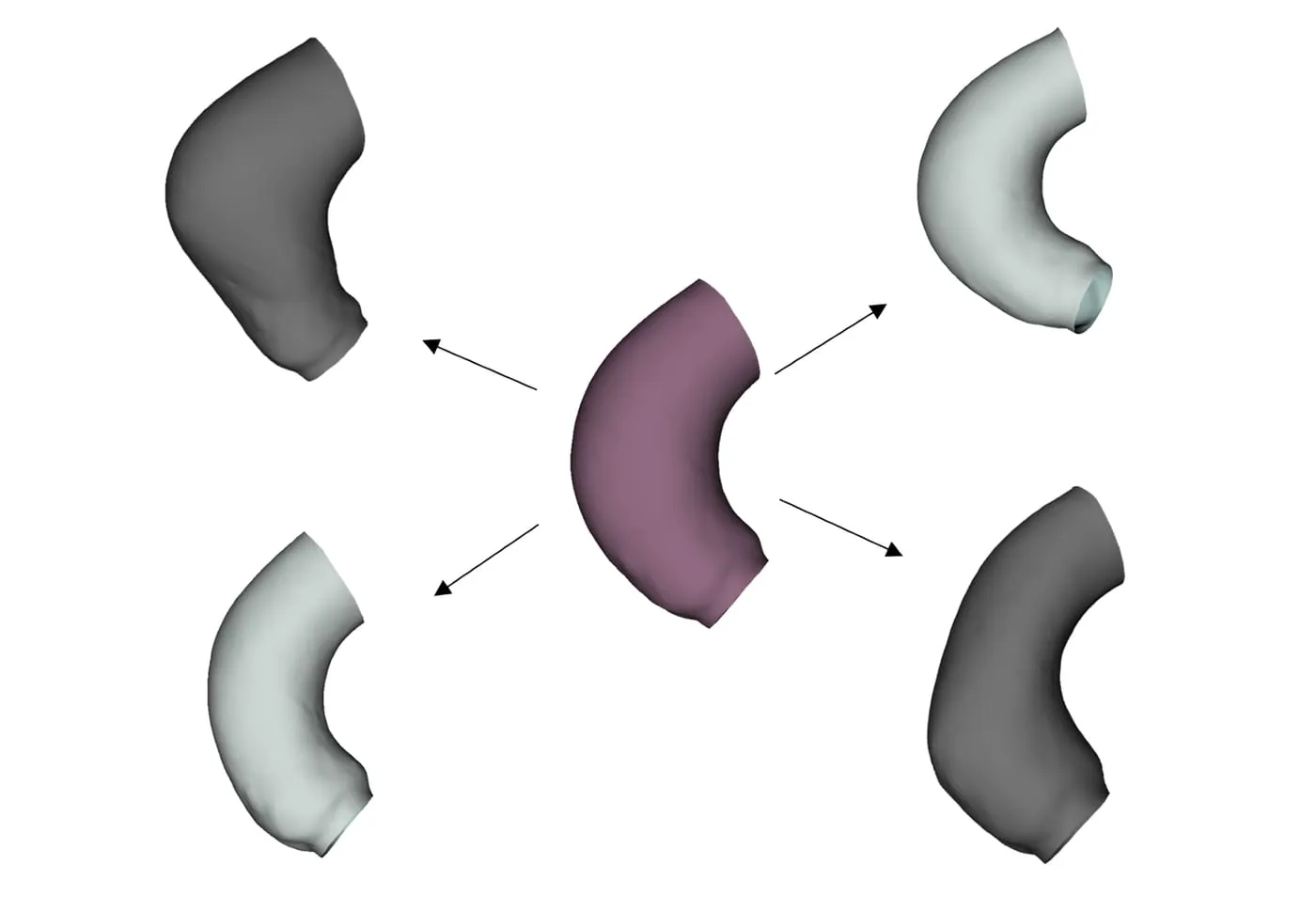
Can shape features extracted from imaging predict how fast an ascending aortic aneurysm grows?
Computer-aided shape features extraction and regression models for predicting the ascending aortic aneurysm growth rate. Computers in Biology and Medicine.
Read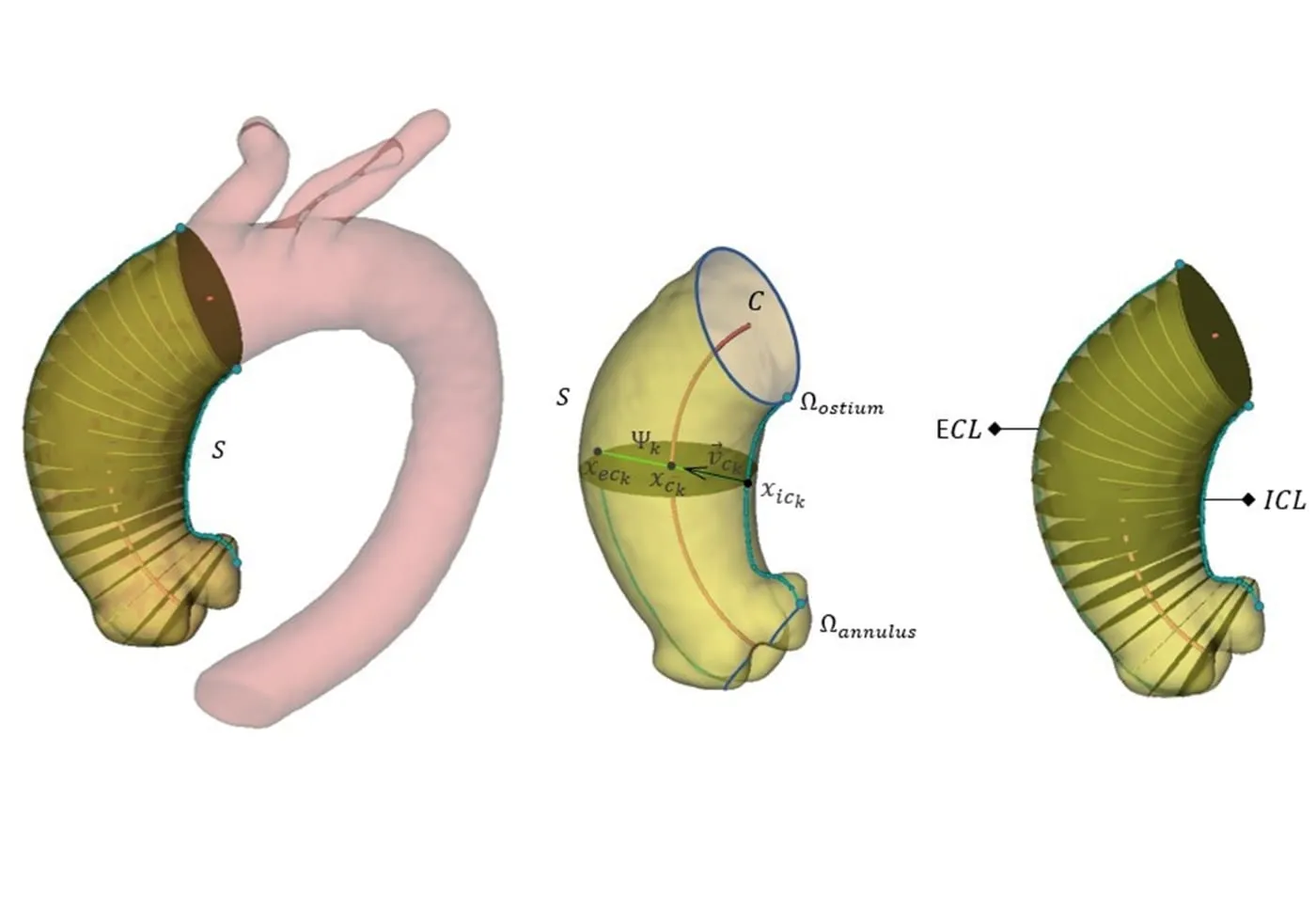
Question
Which shape descriptors, beyond diameter, carry information on aneurysm growth?
Assessment of shape-based features ability to predict the ascending aortic aneurysm growth. Frontiers in Physiology.
Read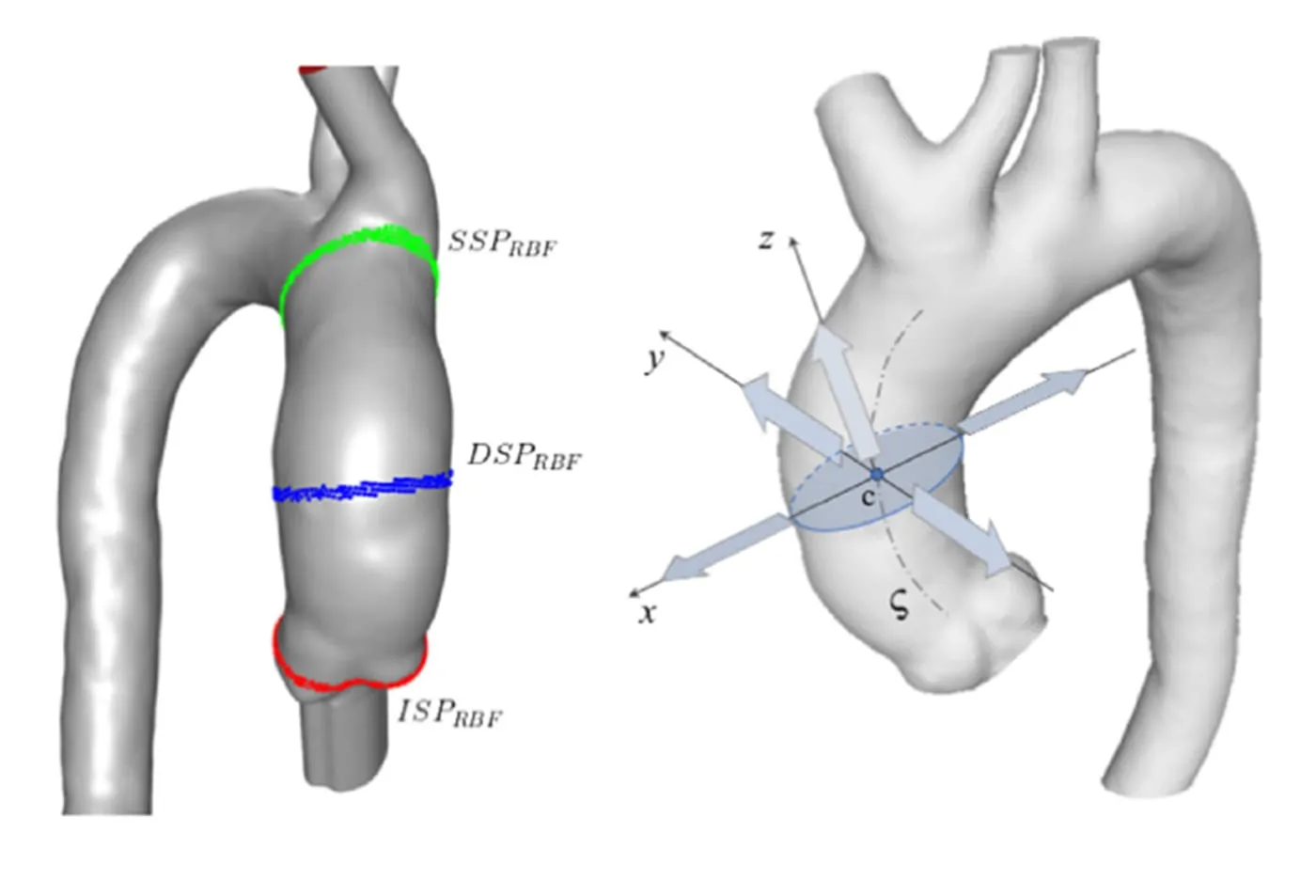
Question
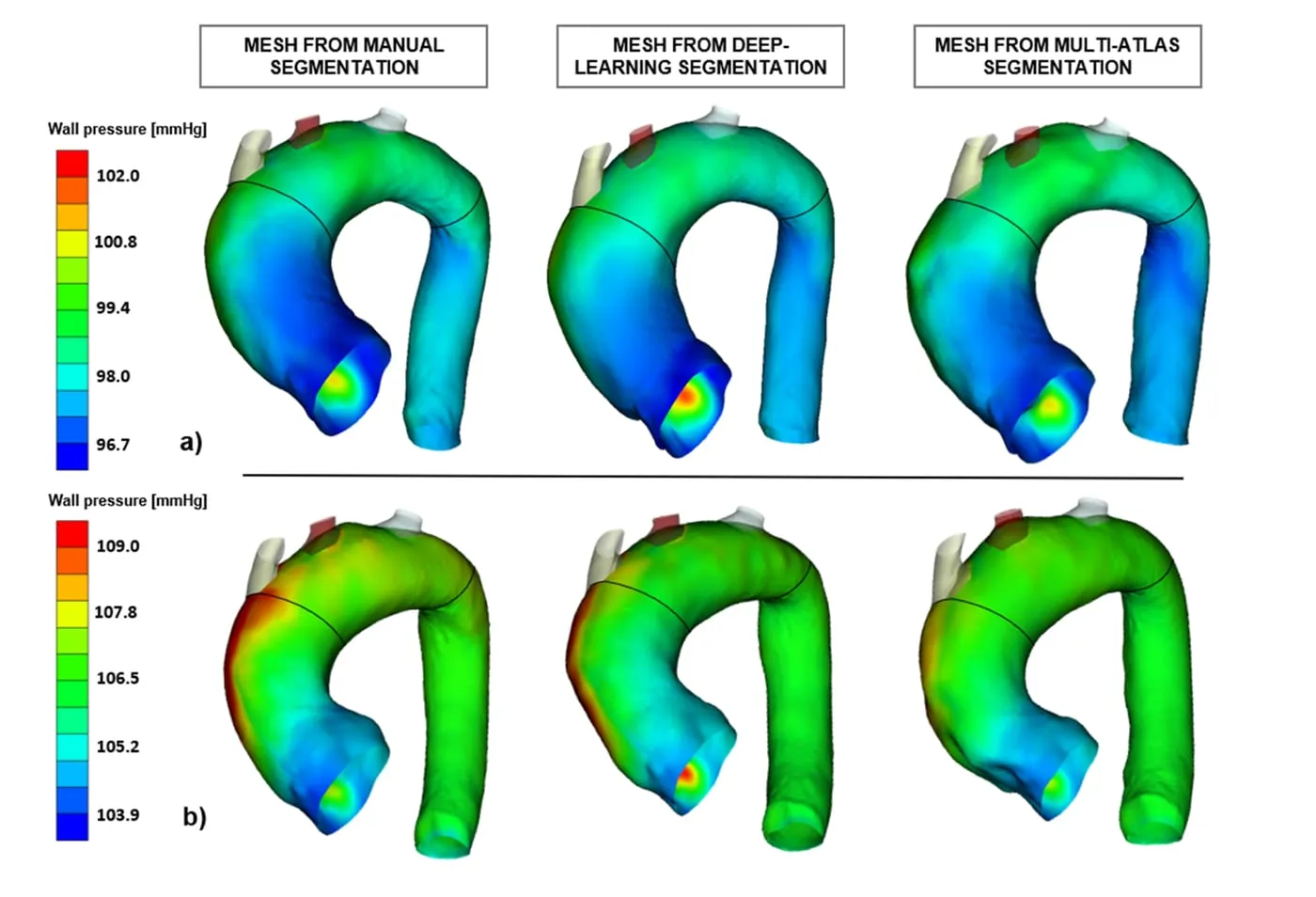
Can reduced-order models make aortic flow simulations fast enough for interactive use?
Fast interactive CFD evaluation of hemodynamics assisted by RBF mesh morphing and reduced order models: the case of aTAA modelling. International Journal of Interactive Design and Manufacturing.
Read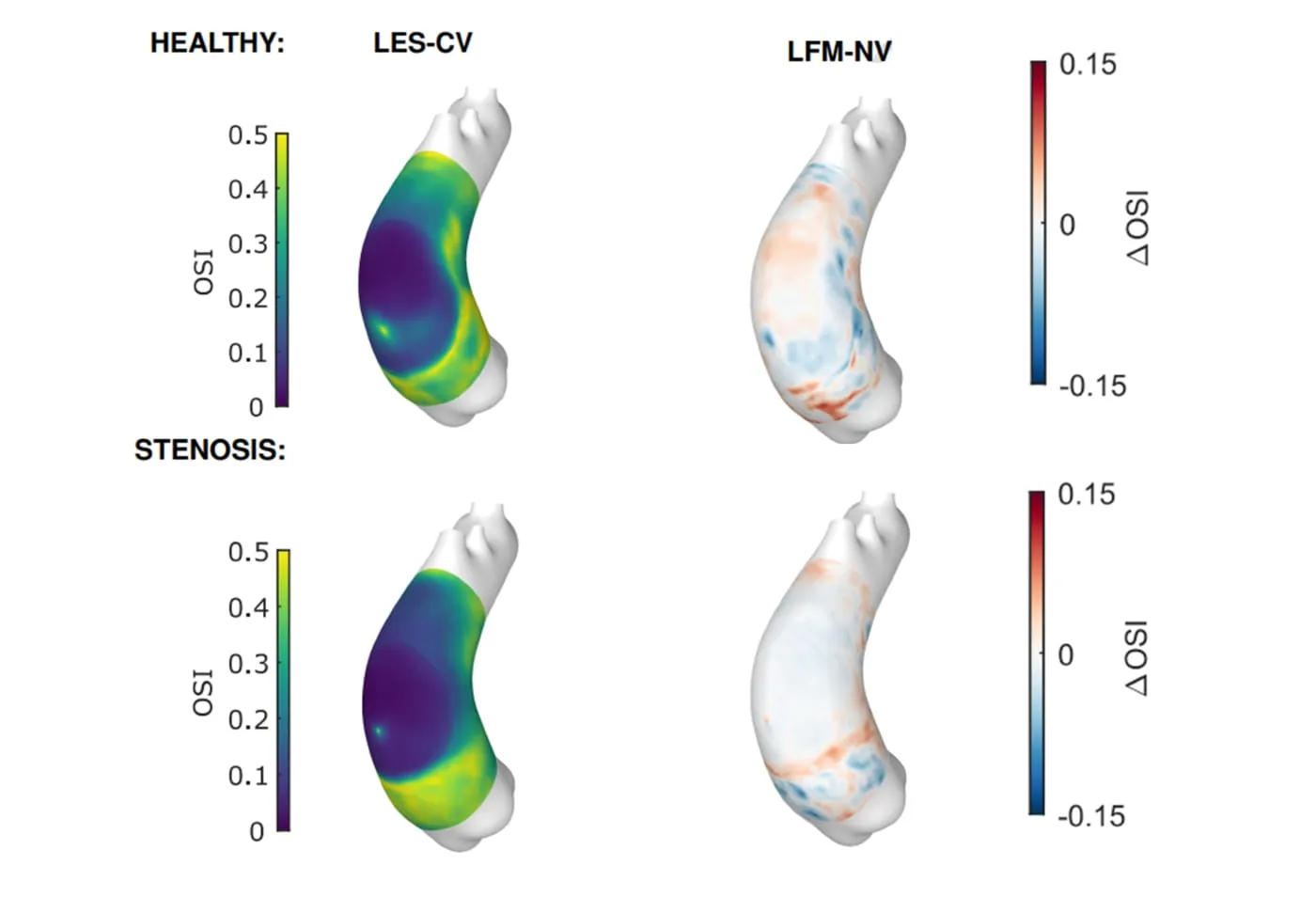
Question
How much do modelling assumptions change wall shear stress indicators in the aorta?
Effect of turbulence and viscosity models on wall shear stress derived biomarkers for aorta simulations. Computers in Biology and Medicine.
Read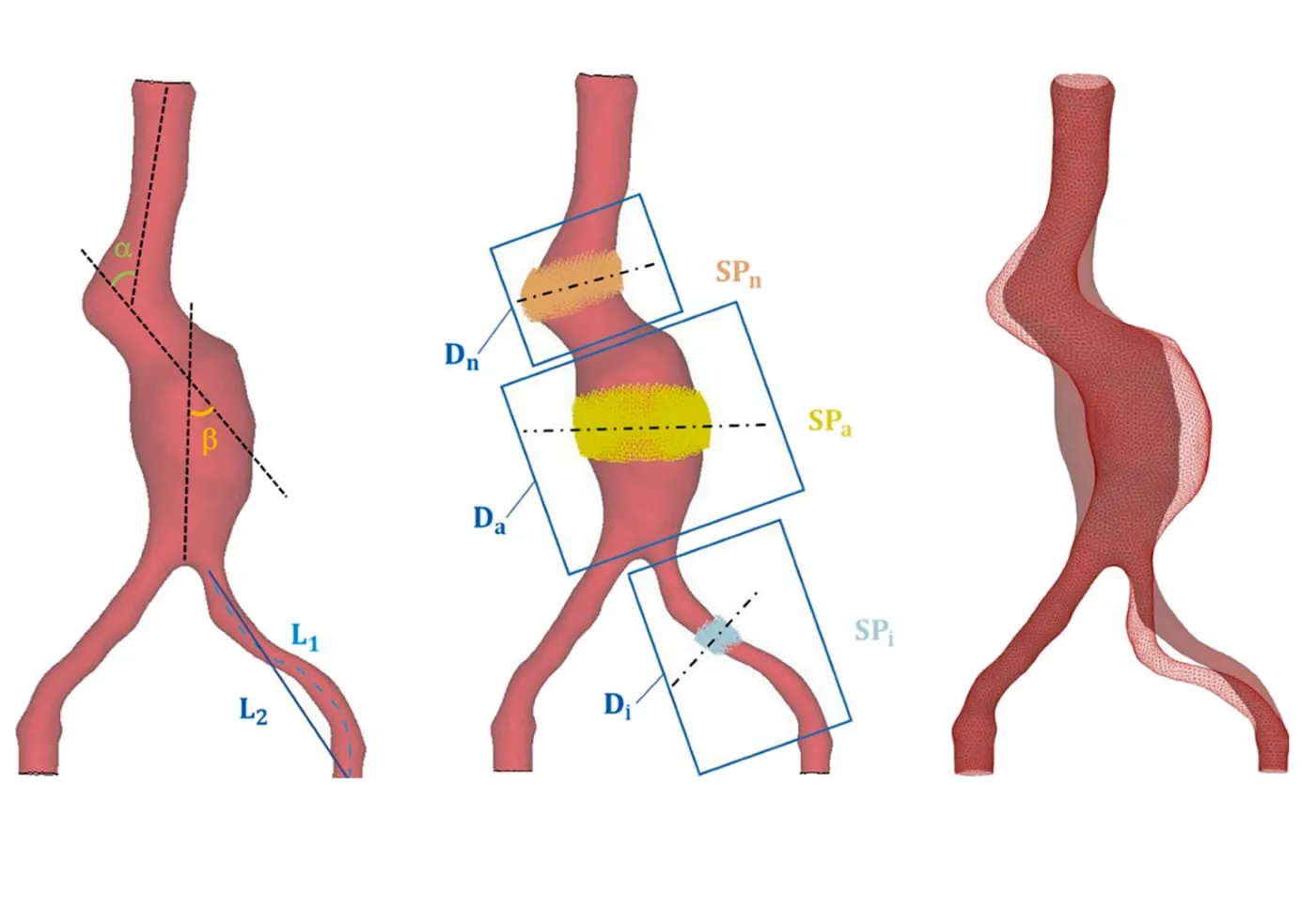
Question
Can reduced-order models support endovascular planning and navigation?
Towards a reduced order model for EVAR planning and intra-operative navigation. Computers in Biology and Medicine.
Read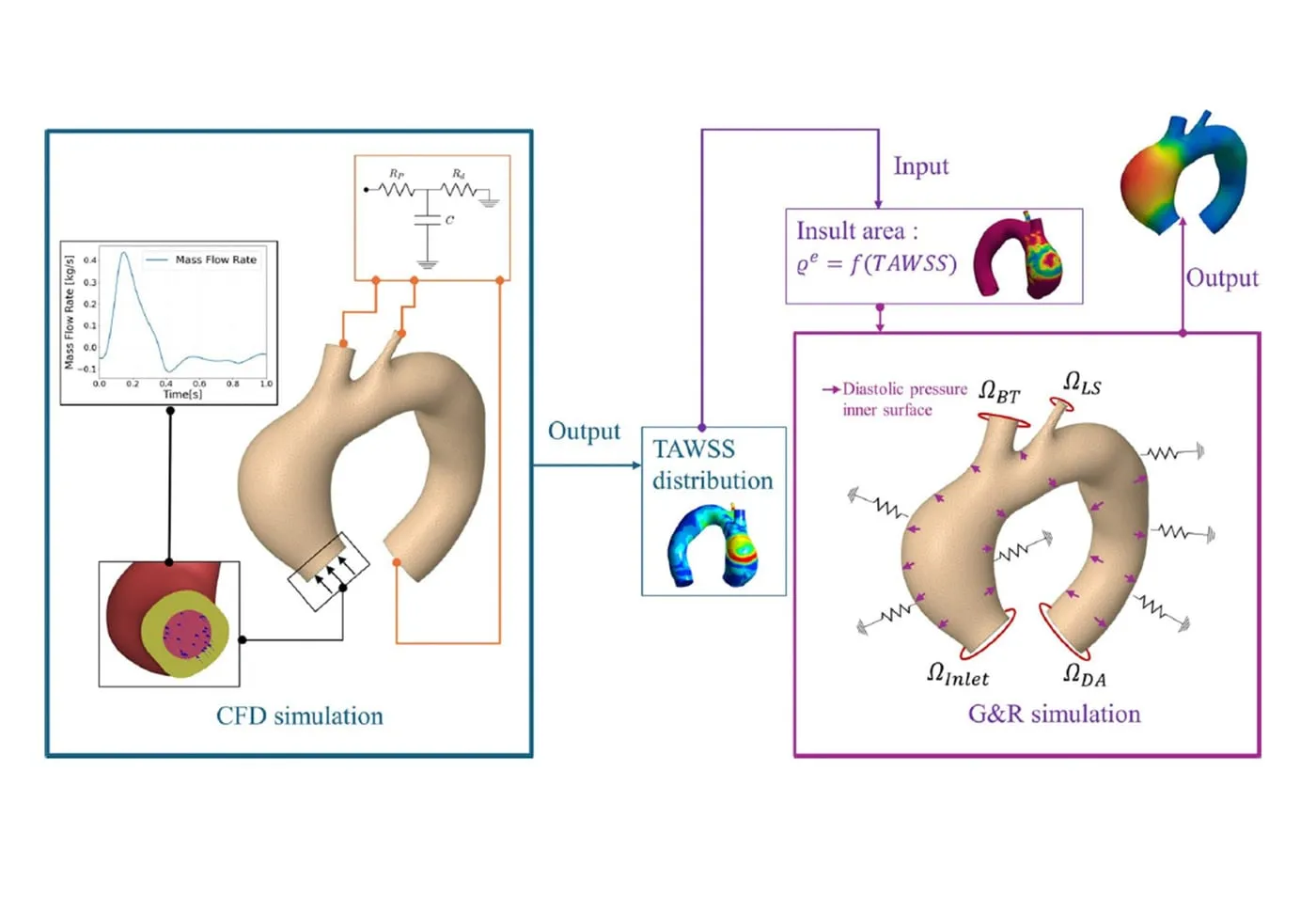
Question
Can a coupled flow, wall and growth model reproduce the evolution of a real patient case?
Fluid–structure–growth modeling in ascending aortic aneurysm: capability to reproduce a patient case. Biomechanics and Modeling in Mechanobiology.
Read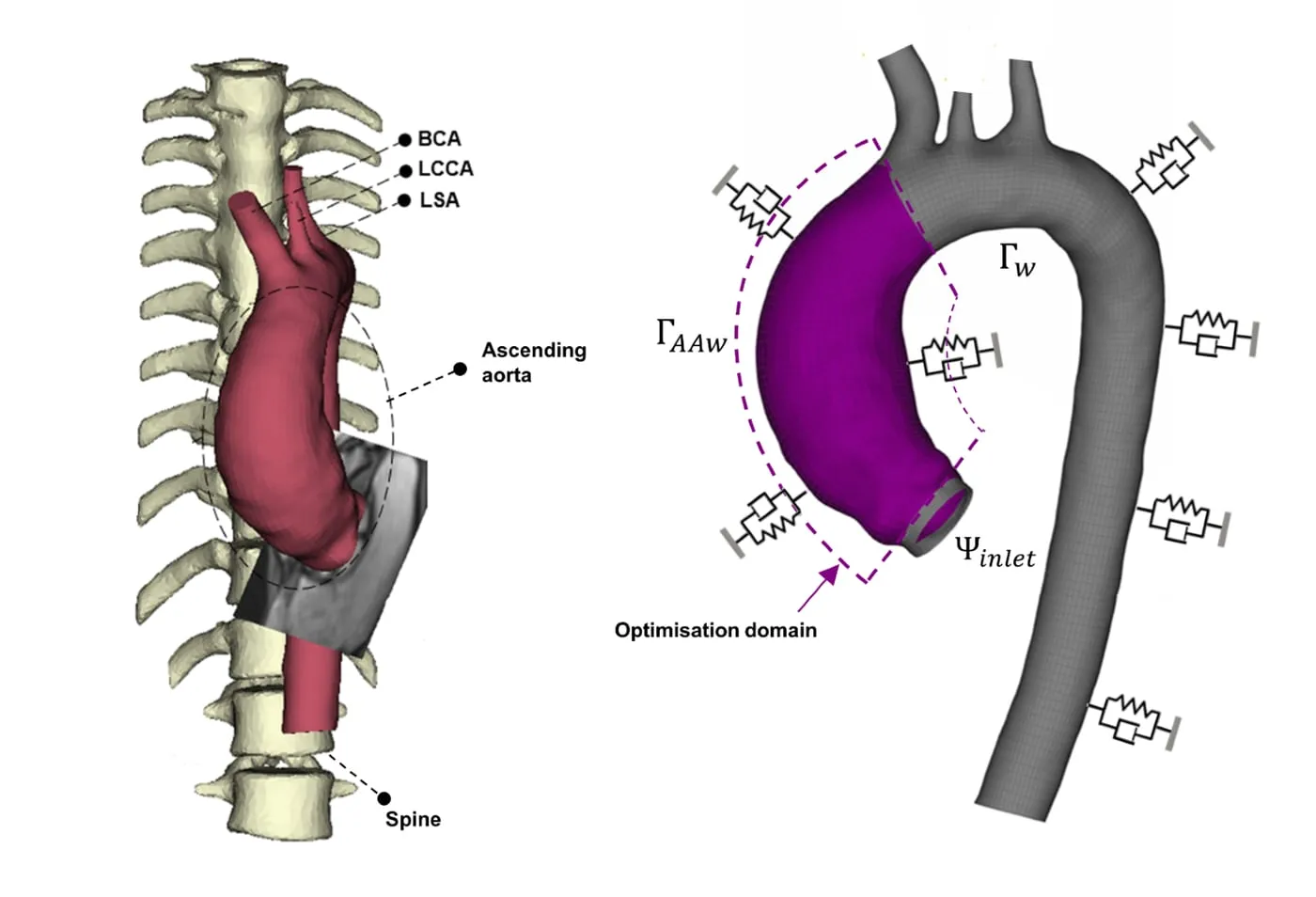
Question
How should boundary conditions be calibrated when the heart moves the aortic root?
Calibration of the mechanical boundary conditions for a patient-specific thoracic aorta model including the heart motion effect. IEEE Transactions on Biomedical Engineering.
Read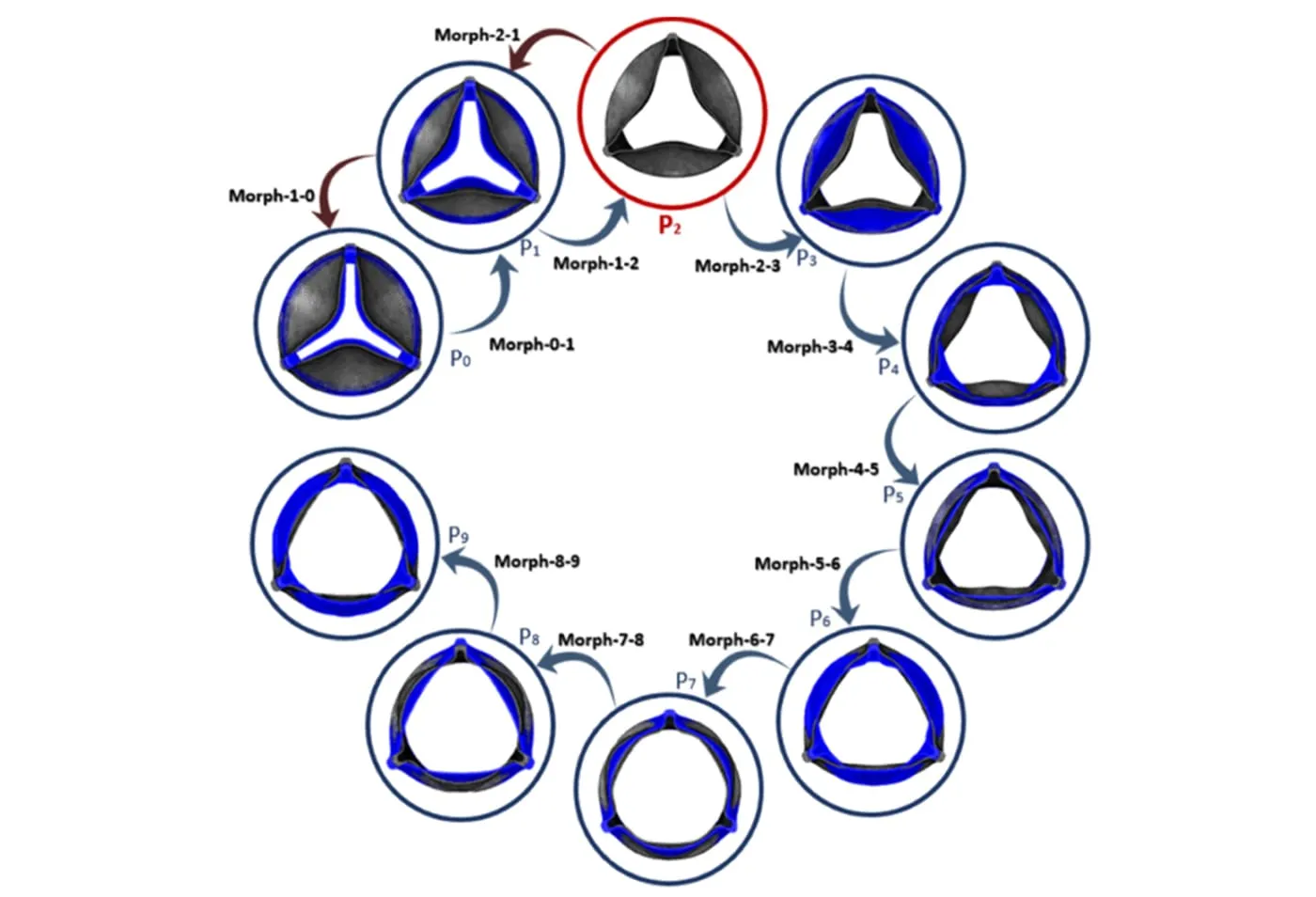
Question
How can moving walls be simulated with high fidelity using mesh morphing?
High fidelity fluid-structure interaction by radial basis functions mesh adaption of moving walls: a workflow applied to an aortic valve. Journal of Computational Science.
ReadAI segmentation of the thoracic aorta, user-reviewed centerline and diameters, regional lengths and volumes, structured PDF report.
Model-based estimate of blood flow in the patient geometry: wall shear stress, pressure and streamlines. Results are simulations, not measurements.
VenusX is not CE marked or FDA cleared. It is available for research use only and must not be used for clinical decision-making.
We co-design studies with clinical and academic centres. Data are shared only under an agreement with your institution.